Hosmer's Grove an experimental forest
It was Ralph Hosmer, the first territorial forester, who in 1909 started planting different species of trees (including eucalyptus), imported from all over the world. Hosmer’s Grove, located just inside Haleakala National Park, is an example of this experimental forestation from Hawaii’s territorial days.
Hosmer’s timber plan never succeeded as most of the 86 species planted didn’t survive. But some like the Eucalyptus globulus (blue gum eucalyptus) thrived!
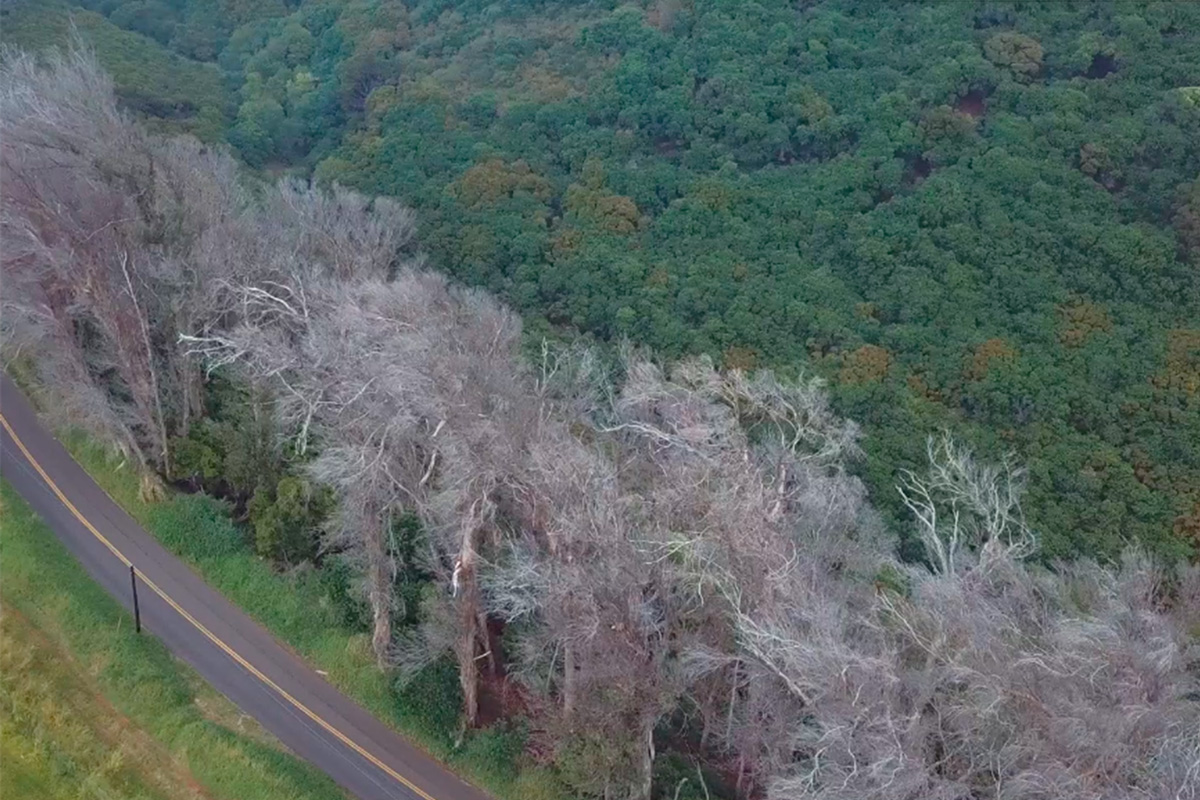
The State planted over 4,000 trees, but private landowners and ranchers have also added to the total. As of the mid-1980’s there was an estimated 100 million board feet of blue gum eucalyptus on Maui. Today, they are mostly seen in the upcountry area along the roadsides, mainly Olinda and Pi’iholo Roads.

Why are the Eucalytpus Globulus dying?
Leaf eating insects
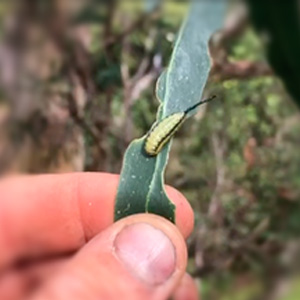
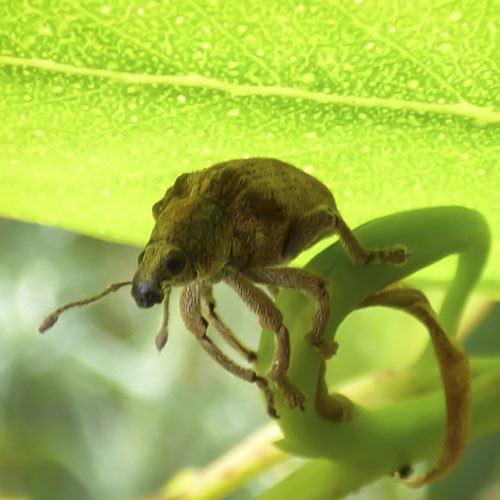
It was in 2004 that Will Haines, a UH entomologist, first saw a yellow-green worm eating eucalyptus leaves. This was strange to him as eucalyptus don’t have many pests in Hawaii. After some research he found that this was the larvae of a eucalyptus snout weevil (Gonipterus platensis), never before found in this State.
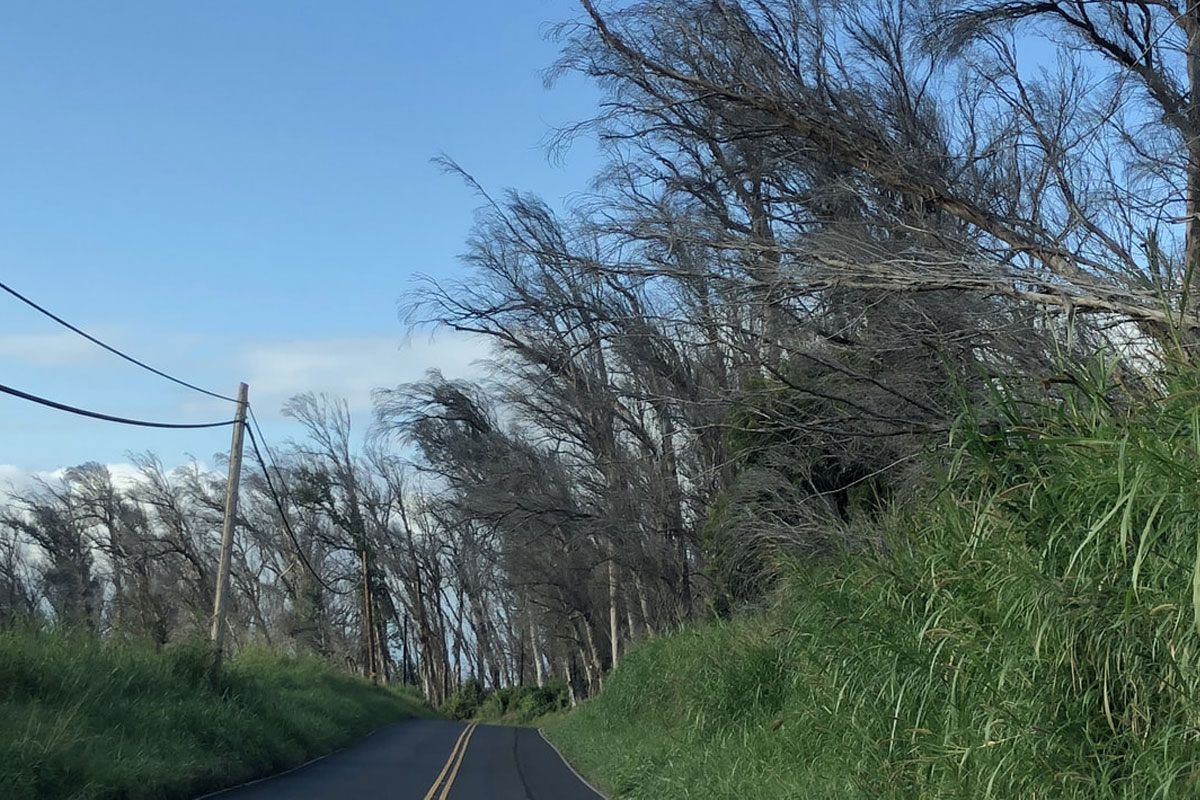
Where new leaves should be growing, we see bare branches
Added to that, there’s another leaf-eating insect, the eucalyptus tortoise beetle (Paropisterna m-fuscum), which is also weakening the trees. If trees can’t maintain their new leaves, they can’t photosynthesize and start dying from the tips inward. Soon all the Blue Gums will be dead.
Maui Invasive Species Committee (MISC) further examines these leaf-eating insect pests and the invasive eucalyptus trees in this article: Leafless on Maui: eucalyptus branches bare thanks to insect pests


If Eucalyptus are an invasive species… why is this a problem?
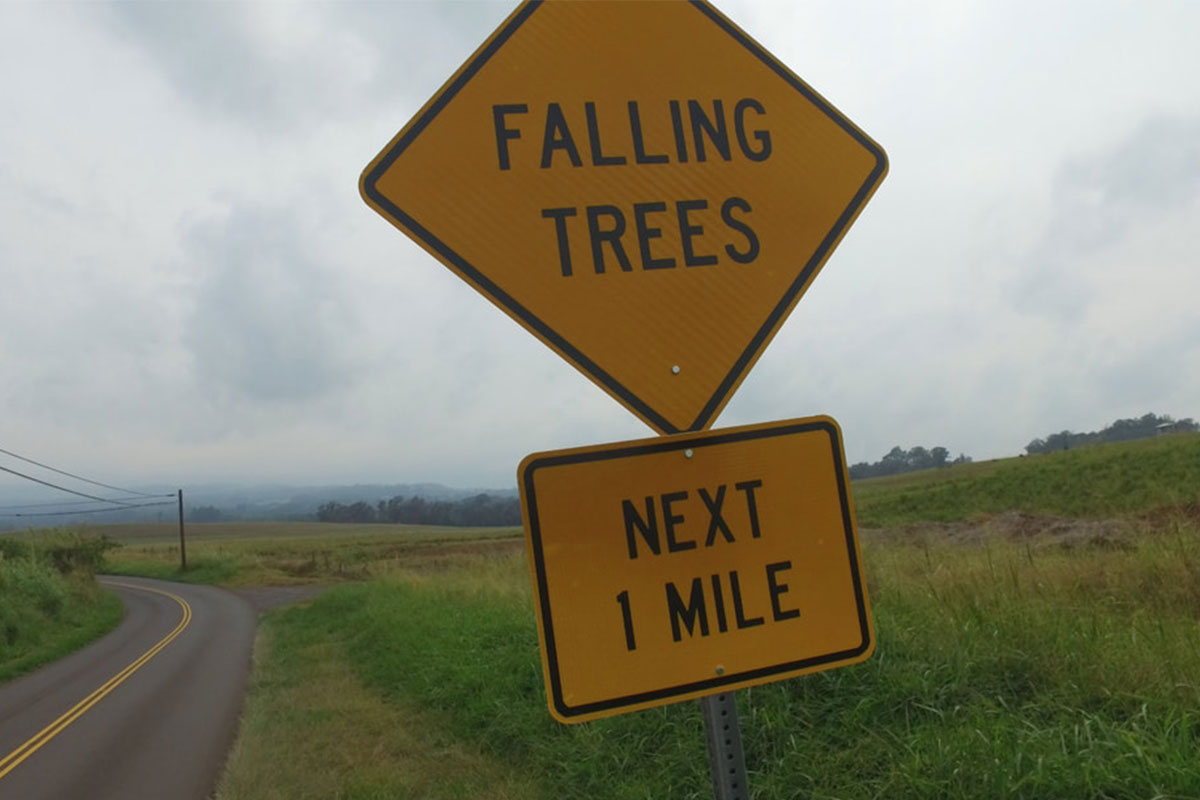
Even if these two insects help us get rid of invasive trees, it’s making them a huge safety hazard! As the trees deteriorate, dead branches start falling, possibly over a house, car, power lines, or person. Even when healthy, these giant blue gum eucalyptus have short roots, making them susceptible to falling due to the strong winds that usually hit the islands. Thus making an unhealthy tree even more likely to fall! ClimbingHI offers FREE Tree Risk Assessments.
What's the current eucalyptus dying situation in Maui County?
- A small percentage of affected eucalyptus have already died and many of them are in different stages of demise.
- Only one section of dead trees are being funded for removal by the County of Maui.
- At this point all other trees are undecided for treatment or removal.
- All private trees are the responsibility of home-owners.
What are our options to the eucalyptus die-off?
- Let the trees die naturally…and pay the consequences of having hazardous trees!
- Remove the eucalyptus near and around your home. This is advised to do sooner than later, as a living tree is much simpler and safer to remove than a dead one.
- Prolong the life of the tree until you can afford to remove it, or maybe even save its life altogether with Trunk Injections.
ClimbingHI is the only company actively working on finding a solution to the problem, other than total removal. The video below shows how ClimbingHI is providing solutions for the the Maui's blue-gum eucalyptus.

Reforestation with local Hawaiian trees
ClimbingHi has partnered with experts in your community to look beyond the present and to realize how we can transform our ecosystem into a sustainable woodland that it once was. Promoting reforestation with local Hawaiian trees. Trunk Injections can allow for an extension of the eucalyptus lifespan giving you more time to reforest the area and jumpstart the process.
Create a healthy "Native" forest.
The problem is the solution. Let's work together to turn the blue gum eucalyptus dying problem into a Native Hawaiian Reforestation solution!
Aloha,
ClimbingHI Team
Simple Social Sharing
Use these social buttons to easily share this article with colleagues, friends & family!
Tree Care Solutions for You
Call us today and be one of our happy clients!